Free Phonics Cue Card

I’m so lucky to be working with kind and dedicated educators!  When my two school friends, Kim and Robin, asked me to create a cue card for them to use with their students, well of course, I was happy to do it.  They had cue cards for the letters and sounds and just needed something a little more advanced that would address long vowel sounds, digraphs and diphthongs.  The cue card is intended to be placed on student’s desks for reference during reading and writing activities. Now when I showed another school friend the cue card she asked that I substitute the digraph pictures with the cues that we use when we are teaching digraphs.    If you’d like to
[Read More...]

Free Digraph Posters

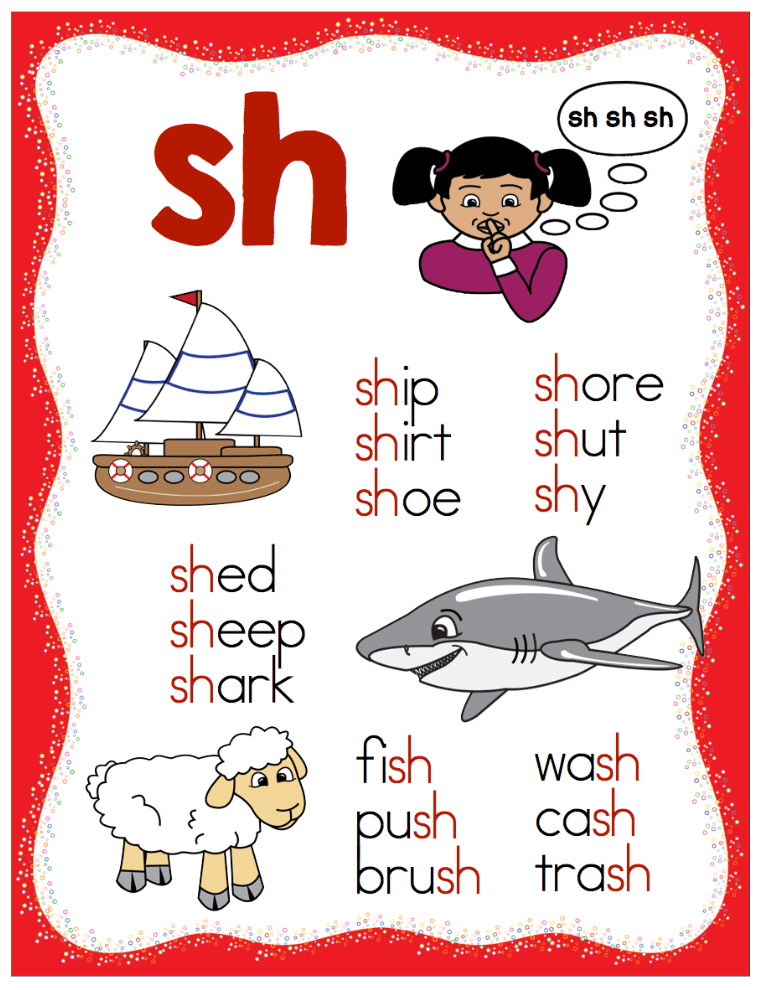
Have you ever had a project that you’ve been meaning to get to, but for some reason it just lingers on in your to-do list?  That’s kind of how it was with these consonant digraphs posters.  They’ve just been sitting on desktop for literally over a year.   Well, my friend was helping me with a computer project and he literally gasped when he saw the mess of files on my desktop.  That was motivation enough to get to work on a few of those projects. If you’d like to download these posters, just click HERE.  They are available for a free download in my Teachers Pay Teachers store.

[Read More...]

Teaching the Hard and Soft “C” and “G”

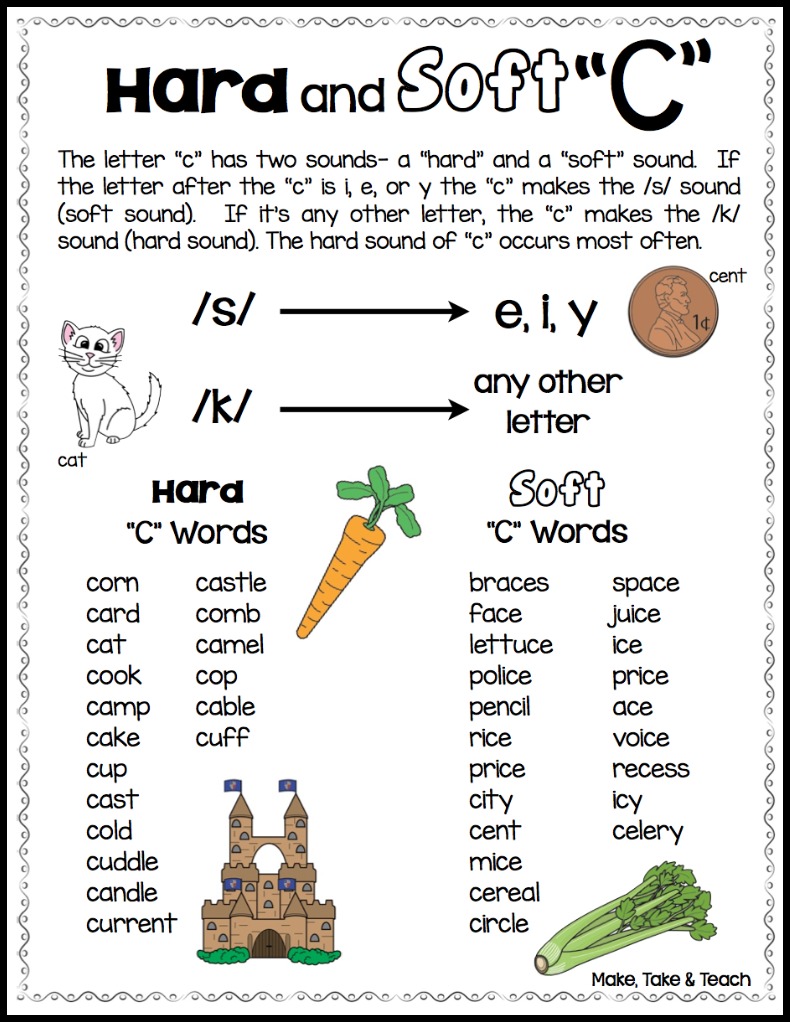
Our little first graders will soon be introduced to the two sounds of  “c” and “g”.  Those two consonants are a bit tricky as they make different sounds depending upon the letter that follows in the word.  We typically teach students that the “hard” sounds of “c” and “g” occur most often, but they do need to know when these letters make the “soft” sound.  We tell the students that when the letter “c” is followed by the letters i, e or y, the “c” makes the /s/ sound just like in the words “city”, “cent” and “icy”. The letter “g” is similar.  When the “g” is followed by an i, e or y it makes the /j/ sound as

[Read More...]

Teaching Contractions

In our everyday speech we use contractions.  Contractions are a kind of “short cut” in the way we use words to communicate.  Think about it for a bit.  If you were going to tell a friend that you aren’t going to lunch, are you likely to say, “I am not going to lunch” or “I’m not going to lunch”?  Because we use these words so often in our speech, it’s important that we teach students how to use the words in writing.  Teaching contractions can be fun and there are tons of great activities to use to support this concept. When introducing the idea of contractions, it’s helpful to begin by defining the word “contract”.  “Contract” means to get smaller or

[Read More...]

8 Hands-On Activities for Teaching Long and Short Vowel Sounds

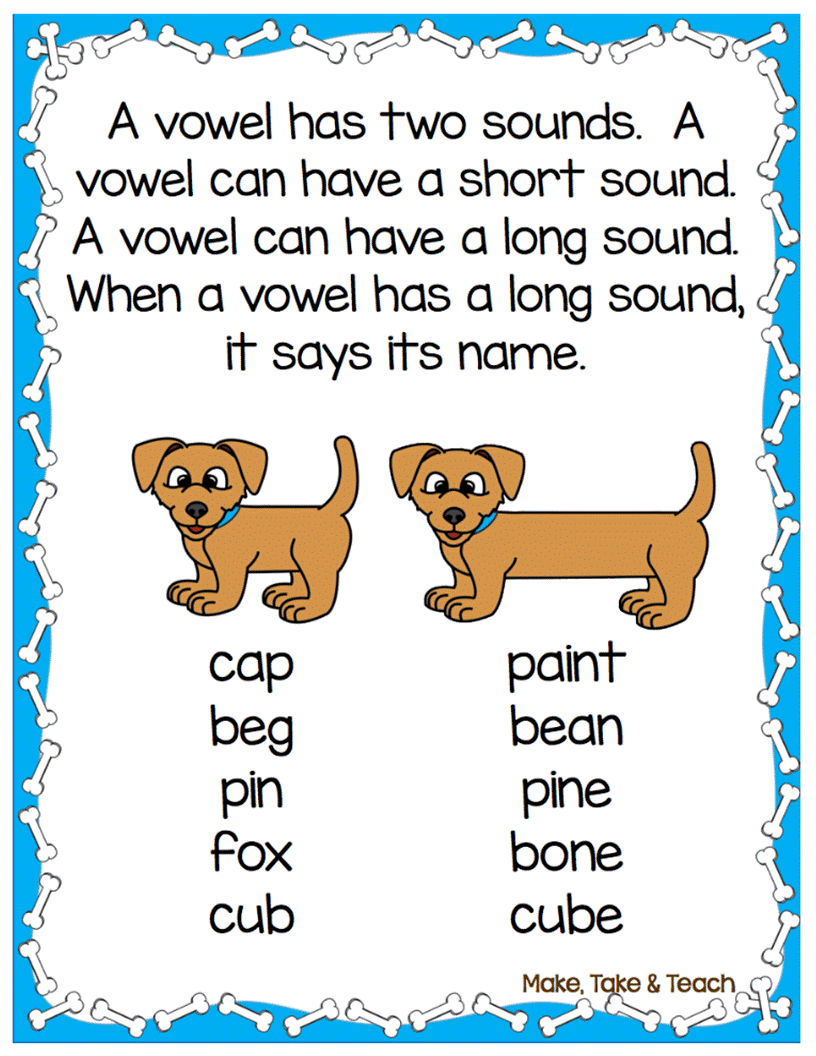
Learning vowel sounds can be so tricky for our young readers.  Not only do several of the short vowel sounds sound similar (for example, the short /a/ and short /e/ sounds), but vowels have two sounds– a short sound and a long sound.  Teaching students that vowels have two sounds is typically introduced early in first grade.  The explanation is actually quite simple.  We just tell students that when a vowel has a long sound, it says its name.  Having this poster handy while teaching this concept can be helpful.  Just click the link below for a quick and easy download.  Just click the following link to download this freebie Long and Short Vowels Poster For our little first graders, I

[Read More...]

The FLOSS Rule

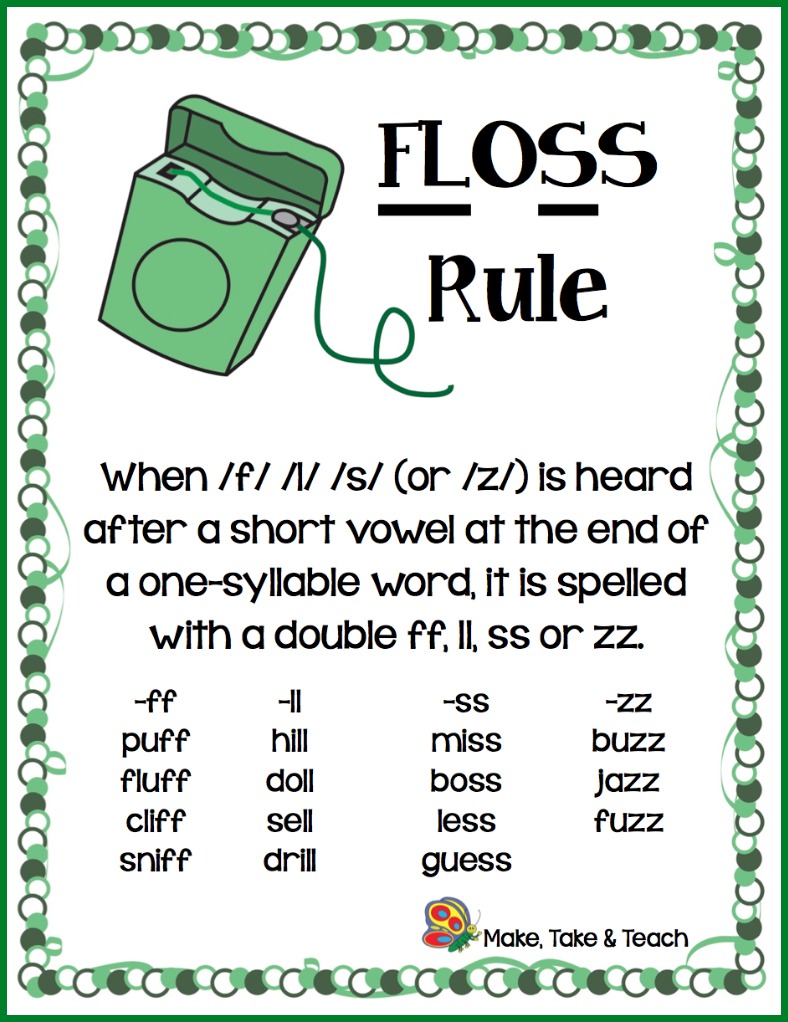
Memory aids are often used to help students remember certain spelling rules. The FLoSS rule is one of the first spelling rules taught to our first and second grade students to help them understand when to double the final “f”, “l” and “s” consonants at the end of certain words.   The word “floss” actually follows the FLoSS rule.  When a /f/, /l/ /s/ (or /z/) is heard after a short vowel at the end of a one-syllable word, it is spelled with a double “ff”, “ll”, “ss” or “zz”.  Okay, you’re probably thinking how did that “z” sneak in there.  Well, there really aren’t too many words that end in “z” so this rule will work for the majority of words your

[Read More...]

Build It-Write It for CVC Words

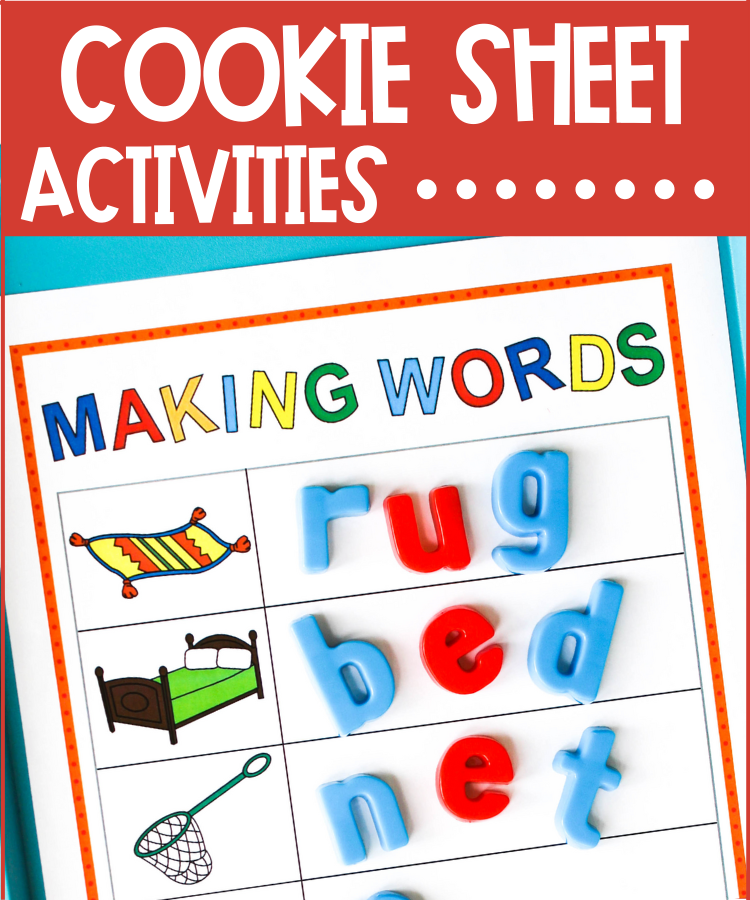
You may know by now that I’m all about those cookie sheets.  I love activities that use cookie sheets as manipulating magnetic letters provides for great hands-on learning activities and the cookie sheet keeps all the materials in one area!  The Build It-Write It activity for CVC words is perfect for either small group instruction or for independent literacy centers.  When you download this activity you will receive 14 colorful CVC templates.  There are templates for working with a specific vowel and also templates with mixed vowels.  This makes differentiation a snap! The Build It Write It activity for Consonant Vowel Consonant Words is available through my Teachers Pay Teachers store or through the Make, Take & Teach website. Call me

[Read More...]

Just Another Fun Find at Walmart

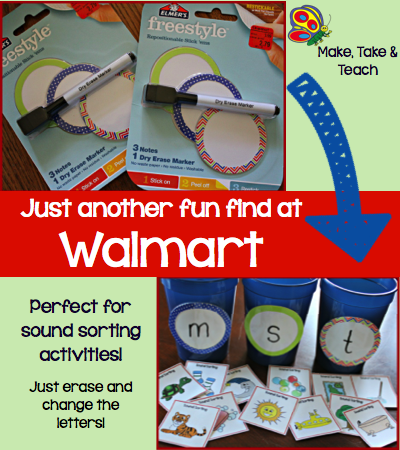
You gotta know I love my local Walmart.  I always seem to stumble upon something a little unique that’s perfect for creating an activity.  Well, my newest find are these dry erase sticky circles from Elmer’s.  They were in the sale basket too! So what can you do with these sticky circles?  They are perfect for sound sorting!  I simply placed a sticky circle on a cup and wrote a letter on the circle.  You can change the letter/sound matching activity by simply erasing the letter and writing another. So simple. I’m sure there are many uses for these dry erase circles.  If you’d like to use the circles for sound sorting, these pics are just one activity contained in

[Read More...]

Alphabet Cupcakes

It’s always important to incorporate hands-on activities into learning letters and sounds.  Our little preschoolers and kindergarteners really enjoy matching activities.  Matching activities are great for independent centers or as an activity for direct instruction.  These activities can be easily differentiated as you can choose how many and which cupcakes to use.  Simply  place the cupcake tops and bottoms on the table and have your student(s) match the beginning sound of the picture to the lowercase letter.  An upper- to lowercase matching activity is also included in the downloadable file. I like to store my activities in baggies.  A label for each activity is included. The Alphabet Cupcake activity is available through my online Teachers Pay Teachers store or through

[Read More...]

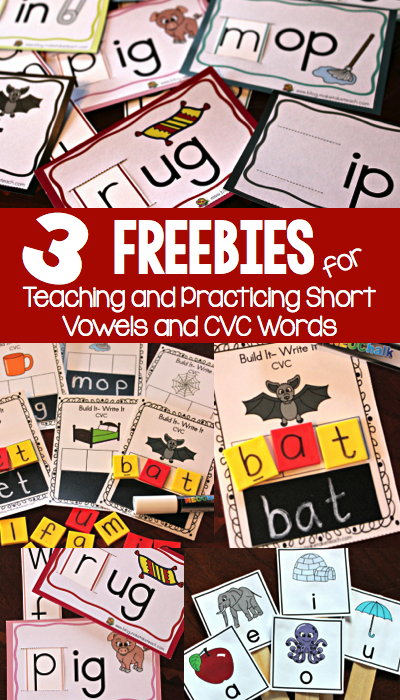
3 Freebies for Teaching and Practicing Short Vowels and CVC Words

Here are a few of my favorite activities for introducing and teaching short vowel sounds and CVC words.  There’s a little bit of assembly involved for each activity, but you’re done, you’ll have three activities that will last for years!  Enjoy! 1. Vowel Sticks Those short vowel sounds can be so tricky!  It’s so important that our kiddos learn to hear the differences between the short vowel sounds so that they can decode and write words correctly.  These vowel sticks are quite helpful in teaching students discriminate the sounds.  You can easily differentiate the activity by choosing which and how many vowels to use during your lesson.  For students who are having a great deal of difficulty with vowels, I recommend

[Read More...]

Follow Us

Popular Posts