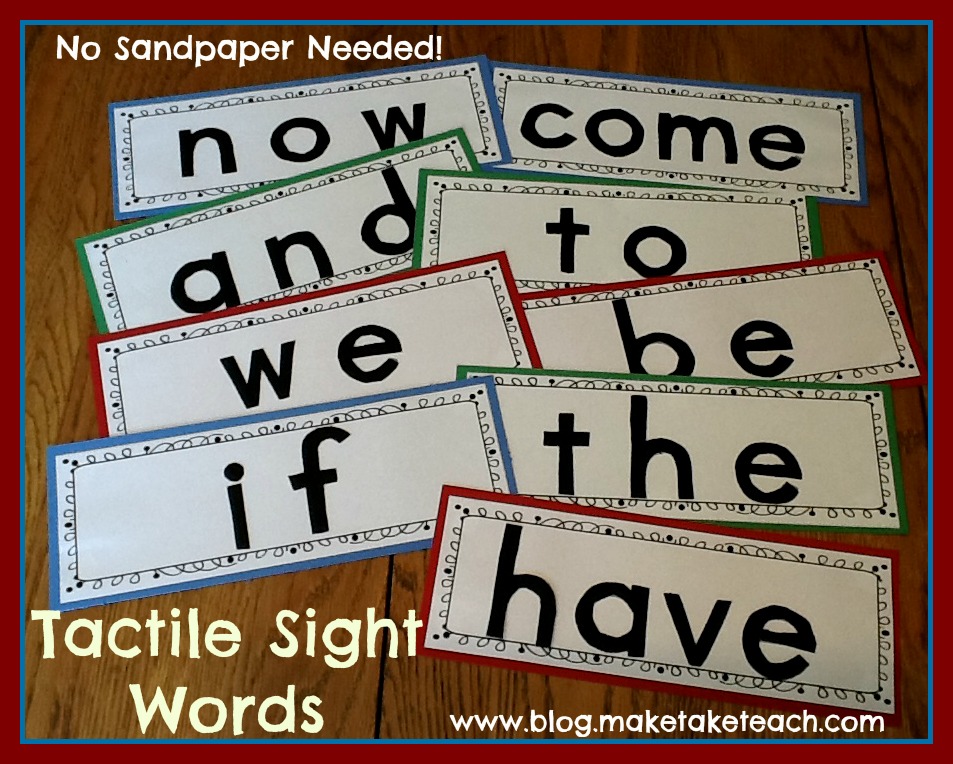
Tactile Sight Word Cards- No Sandpaper Needed!

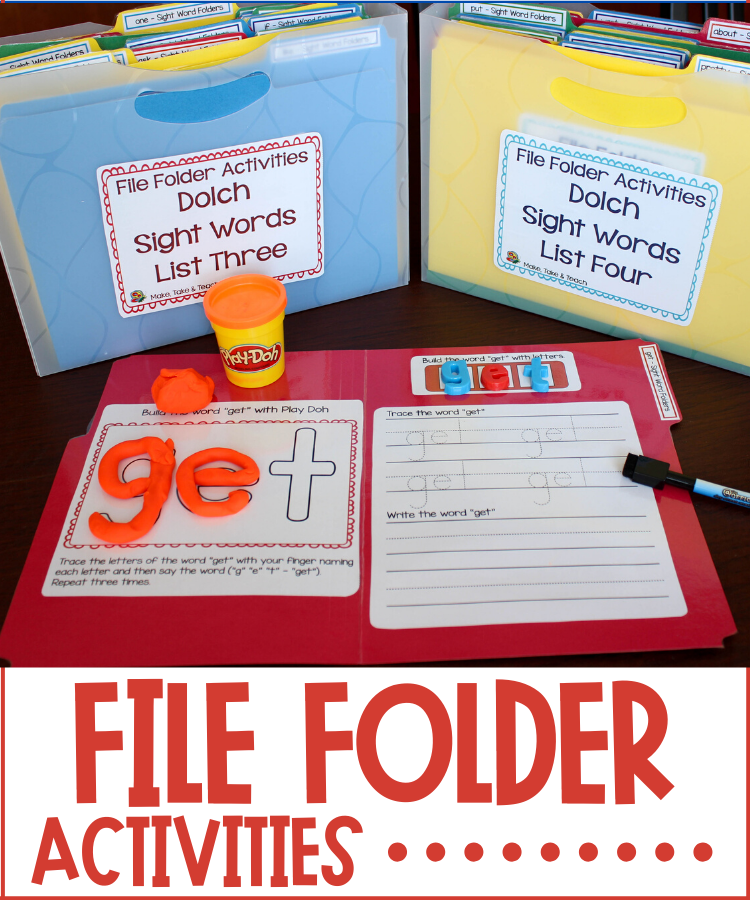
Ever since posting the DIY tactile letters, I wanted to create templates to make tactile words for the first three lists of the Dolch 220 sight words.  I’m such a believer in a multi-sensory approach to teaching that, despite the amount of time they’ll take to make, they’ll be so worth the effort!  Once made, they should last you for years. So, this is what you’ll need for your project:  1.  Adhesive Outdoor Tread.  I purchased this tread at my favorite home improvement store–the Home Depot in the paint section.  2.  9 sheets of 3 different colors of 12×12 cardstock (scrapbooking cardstock found in most large department stores).  3.  Clear contact paper if you do not have access to a laminator.
[Read More...]

Cookie Sheet Activities Volume 5: Blends and Digraphs

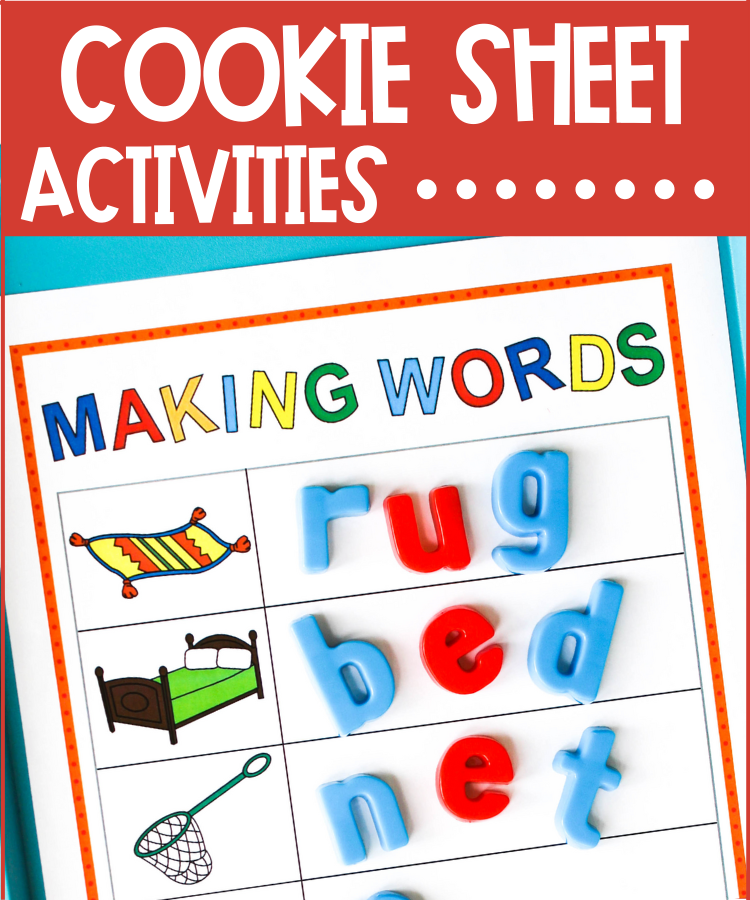
I’ve been having so much fun creating the cookie sheet activities! Thanks to everyone who has sent emails and comments with suggestions for future volumes.  I love hearing your ideas and it seems like I’ll be busy creating cookie sheet activities for quite some time.  The newest lastest and greatest volume of the cookie sheet activities is designed to teach and practice consonant blends and digraphs.  There are 18 sorting templates!  This activity allows for differentiation as students can sort with either two or four sounds. Click the following link to download two FREE templates and corresponding pictures Cookie Sheet Activities Volume 5 Sorting Digraphs and Blends Cookie Sheet Activities Volume 5 also contains 10 templates where the students must decide which

[Read More...]

Four Types of Reading Assessments

Assessment and intervention is the heart and soul of Response to Intervention (RtI).  Prior to beginning either a school-wide program or developing an intervention plan for a particular student, it is critically important to have assessment data.  There are 4 types of reading assessments that comprise a comprehensive K-3 reading assessment plan.  Each type of assessment is important in its own right and provides valuable information to school teams in the RtI process.  So, take a look at these types of assessments.  How comprehensive is your K-3 reading assessment plan? 1.  Screening-  The purpose of a screening assessment is to identify students who are at-risk for reading difficulties.  Identifying the students early on who are likely to struggle with learning to read is

[Read More...]

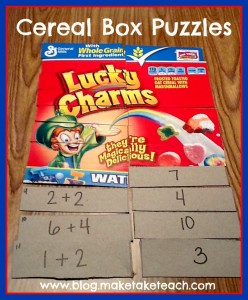
Cereal Box Puzzles

Years ago I attended a literacy center workshop and the presenter offered tons and tons of great ideas for activities.  I love the kind of workshops where you leave with great ideas for hands on activities that you can create and use the very next day!  During the session she shared the “Cereal Box Activity”.  I thought this activity was so very clever!  It’s easy to make, has a self-checking feature and it can be used with many skills.  In this video, I created the activity using math facts.  You can create the activity for a variety of skills such as parts of speech, state capitals, and the list goes on and on.  You can also differentiate the activity by limiting or increasing

[Read More...]

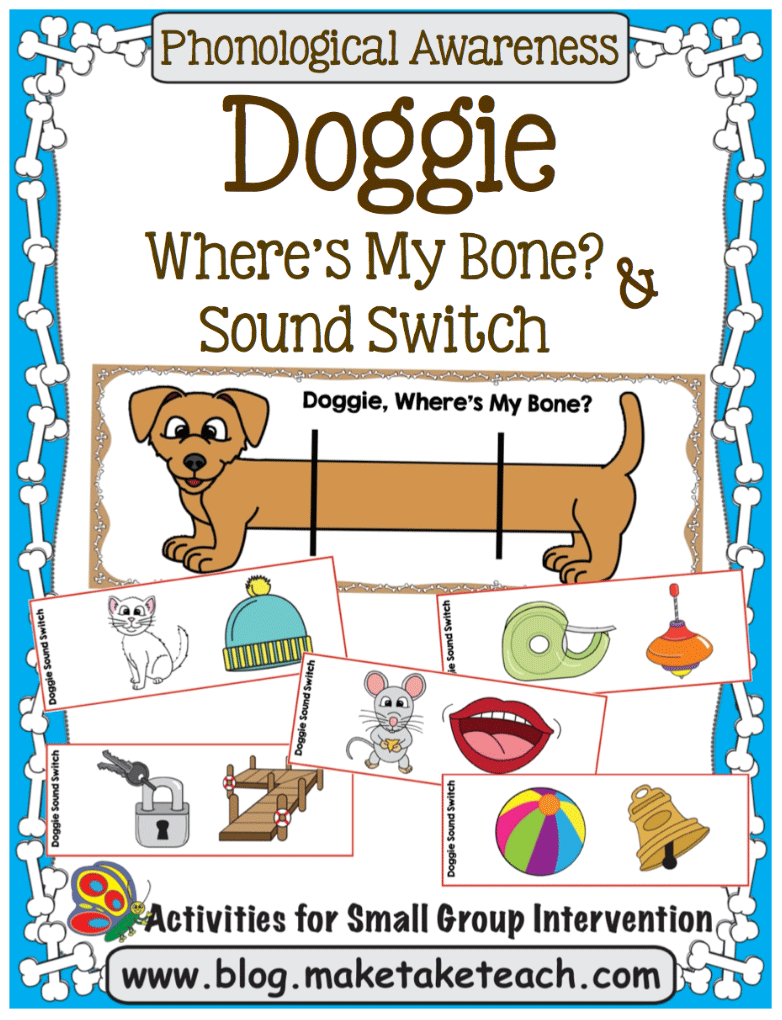
8 Great Ideas for Teaching Segmenting and Blending

  Phonemic awareness- the ability to hear and manipulate the sounds in spoken words and the understanding that spoken words are made up of sequences of speech sounds (Yopp, 1992) The best predictor of reading difficulty in kindergarten or first grade is the inability to segment words and syllabes into constituent sound units (Lyon, 1995) The research is very clear on the important role phonemic awareness plays in the reading process.  Children must understand that language is comprised of spoken words and that those words can be broken down into separate sounds.  The child’s level of phonemic awareness upon entering school is one of the strongest indicators of how well he/she will learn to read.  The exciting part is that, as teachers, by assessing our students’ phonemic

[Read More...]

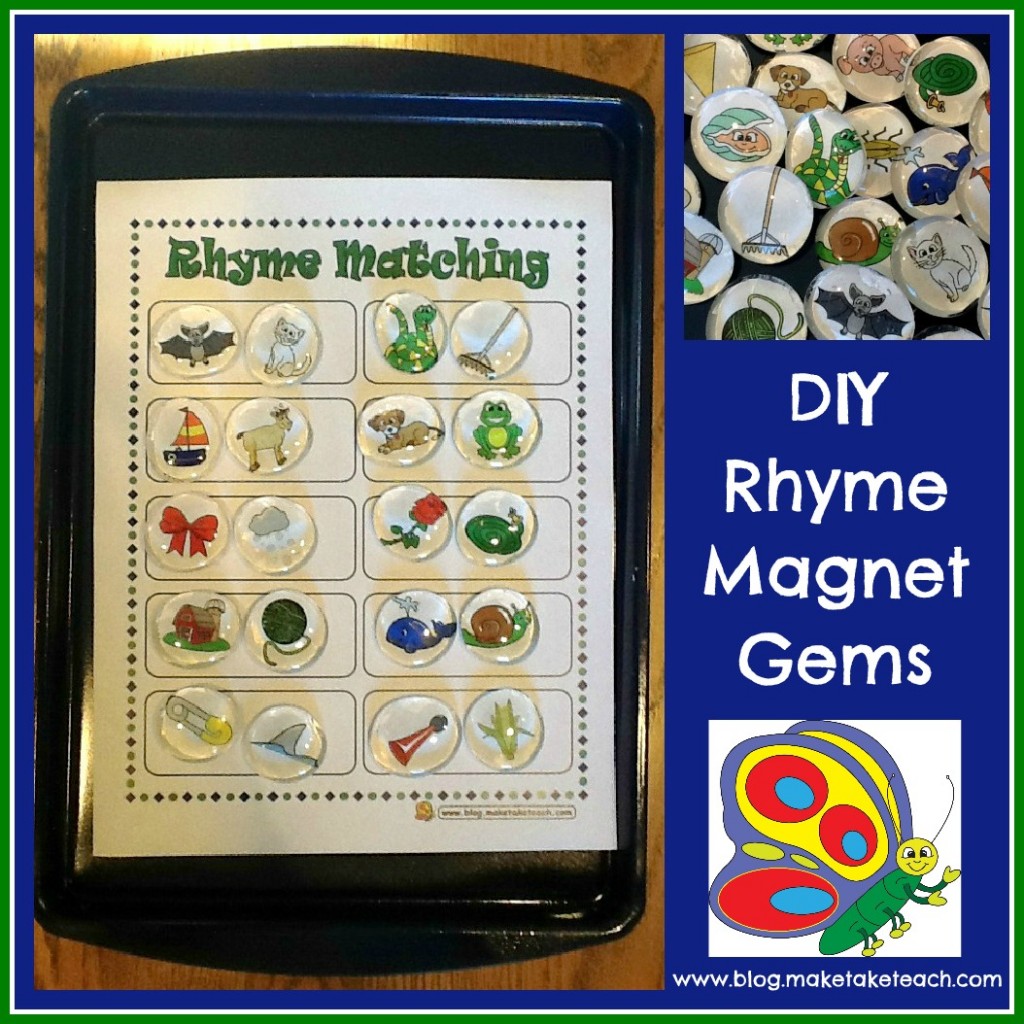
DIY Rhyme Magnets

Phonological awareness refers to an understanding of the sound structure of language- that is, that language is made up of words, syllables, rhymes and sounds. So why is it that phonological awareness is so important?  It is because the understanding of how language works is a foundational skill in learning to read and spell.  If children do not understand that words are made up of individual sounds that can be blended together to make words, then using the alphabet to read and write would make no sense.  In fact, research indicates that phonemic awareness is the best predictor of later reading ability, even more than intelligence, vocabulary or listening comprehension! Understanding the concept of rhyme is the first skill in the hierarchy of phonological

[Read More...]

Summertime- A Time for Making Memories

Last week while I was bloghopping I came across DeAnne Davis’ post from First Grade and Fabulous on making the most of the remaining weeks of summer.  As teacher-bloggers it’s often difficult to detach ourselves from our computers.  Sometimes, seemingly, other parts of our lives seem to take a second seat to creating products, Pinterest pinning and blog posting.  DeAnne and her family made a list of all the fun things they want to do for the rest of the summer and now they’re off and running. I will say that I’m not looking forward to the first day of school.  This is mostly because everyone will be asking how the summer went.  Well, I’ll admit, I’m not really sure HOW I feel about this

[Read More...]

Follow Us

Popular Posts