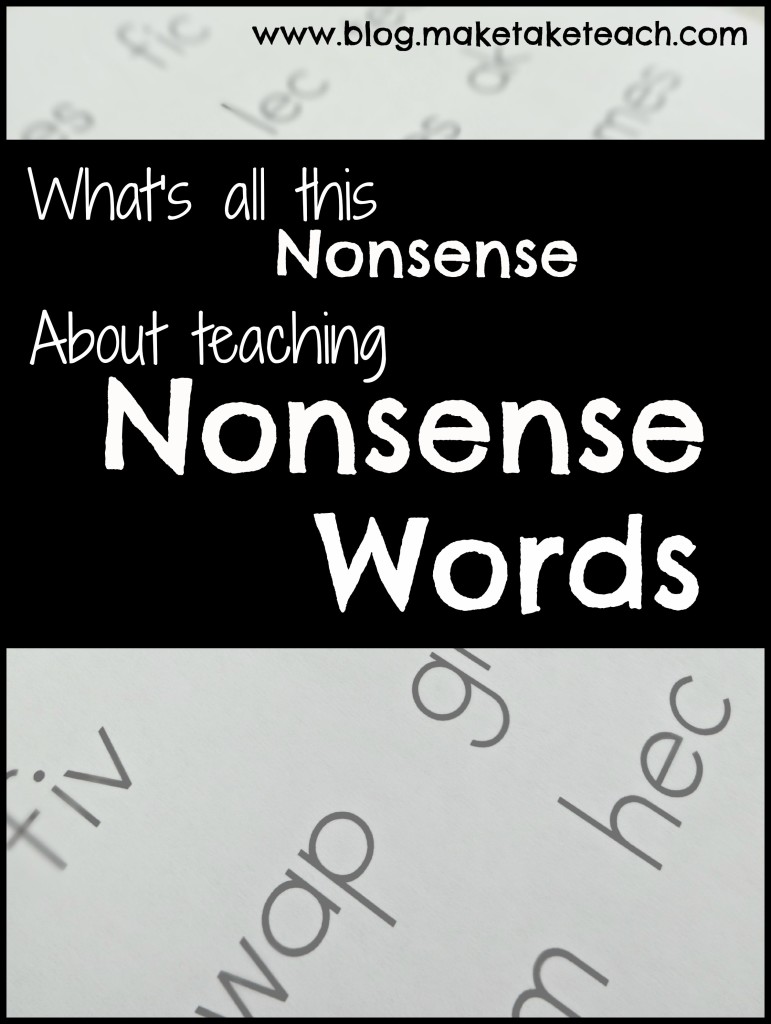
What’s all the Nonsense about Teaching Nonsense Words?

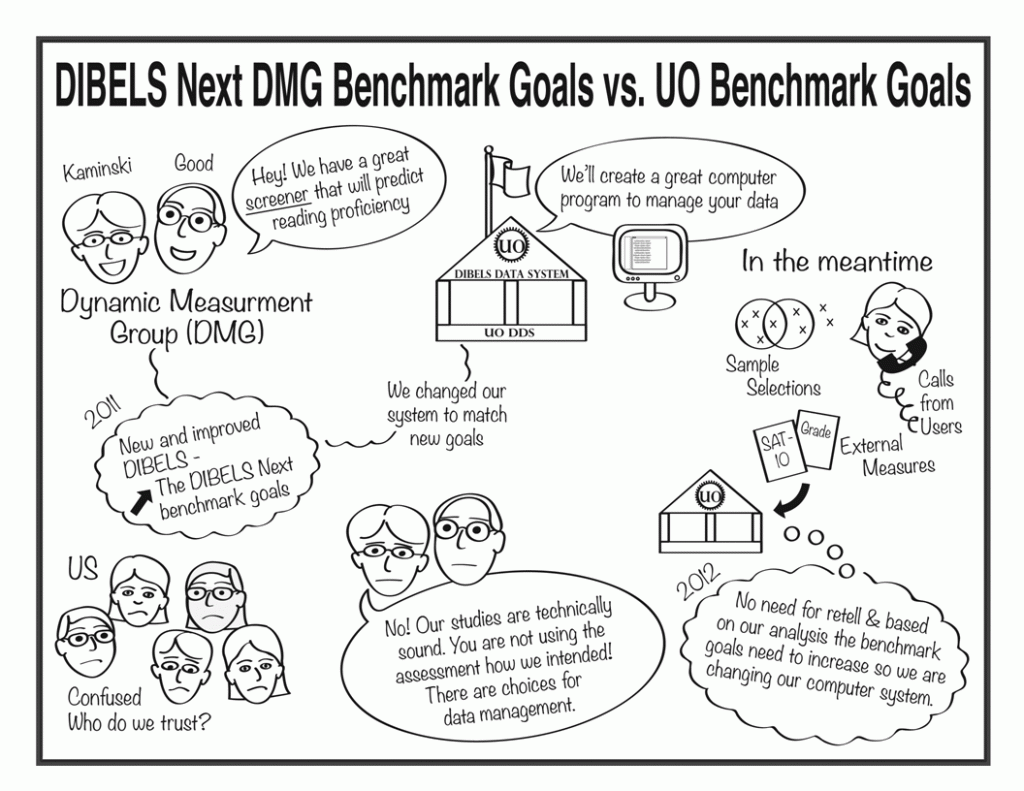
It’s been nearly 10 years now that our schools have been using the Dynamic Indicators of Early Literacy (DIBELS) Next as a school-wide reading assessment.  DIBELS was first introduced as part of Reading First and fit so nicely into our new Response to Intervention initiative.  The DIBELS Next is a valid and reliable screener that can identify students at-risk for reading difficulties.  The idea is that if we can identify those students early, we can put in place interventions to actually prevent the reading problem!  Personally, I love this assessment.  It does exactly what it is suppose to do.  In the ensuing years; however, misunderstandings of the assessment have lead to inappropriate use of the data as well as inappropriate
[Read More...]

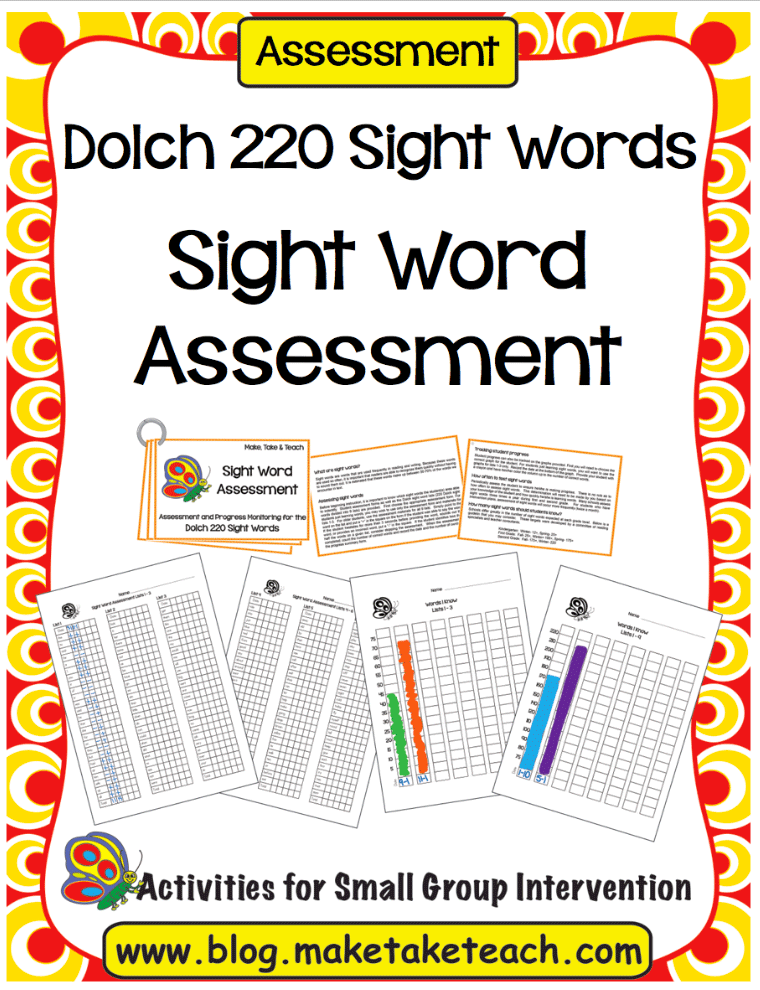
Dolch 220 Sight Word Assessment

The Dolch 220 sight words make up between 50-70% of the words we encounter in text.  Most of these words cannot be sounded out and students need to be taught to instantly recognize these words in order to be fluent readers.  Because recognizing these words is so important during reading, it is important that we use a variety of activities to teach, practice and memorize sight words. It all begins with assessment.  Before you begin teaching sight words, it is important to know which words your student(s) already know.   When you download the Sight Word Assessment and Progress Monitoring file, you’ll receive the assessment, student recording forms and progress monitoring charts.  You’ll want to periodically re-assess you student(s) to be

[Read More...]

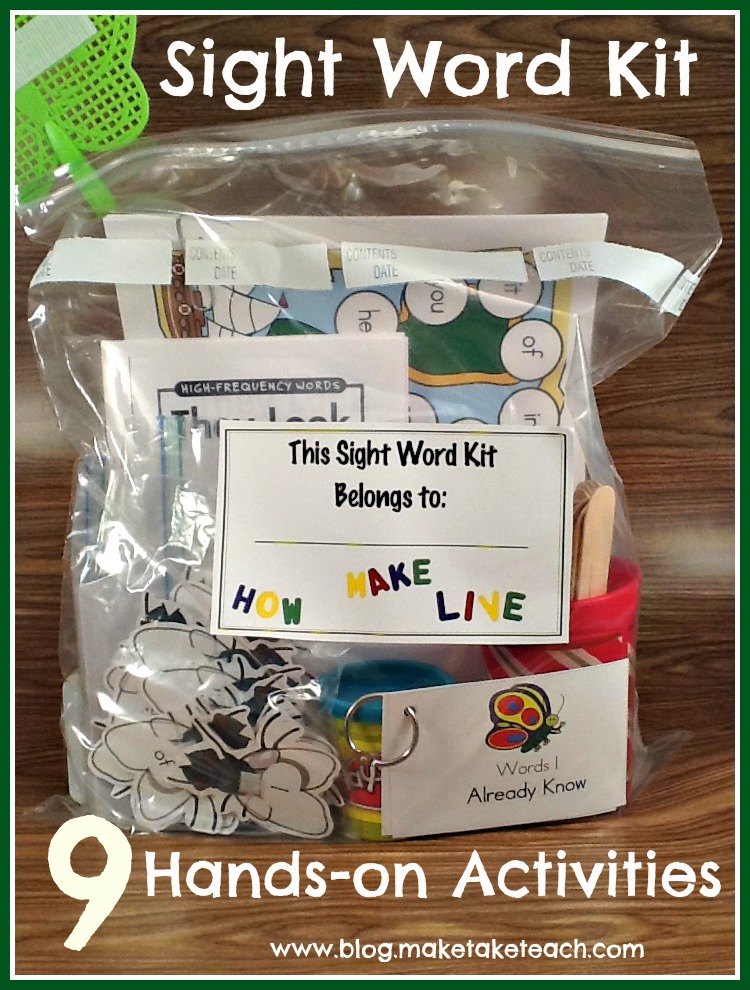
Teaching Sight Words

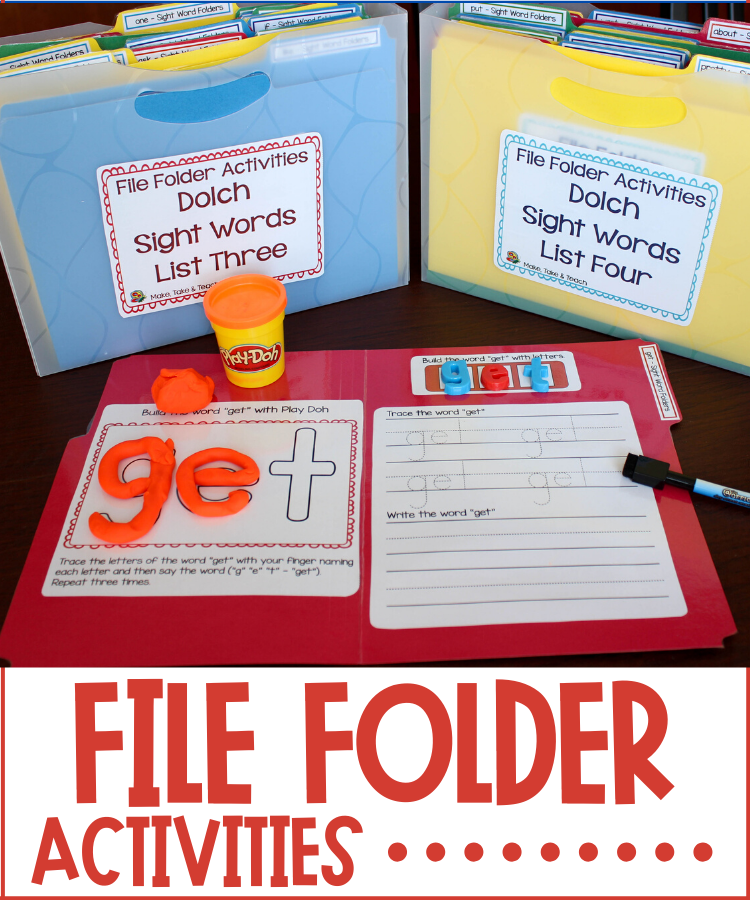
A few months back I posted the 10 Activities for Learning Letters and Sounds activity kit that I developed for a few first graders who hadn’t yet mastered letters and sounds.  The idea behind the kit was to provide fun, hands-on activities for either classroom voluteers or parents to work with their child at home.  Well, since that time, those little first graders have learned their letters and sounds and are now ready to focus on sight words.  So here’s the activity kit for learning the Dolch sight words.  Of course we’ll begin with list 1 (first 25), but I’ve made the activities through list 3. To assemble your very own kit, first print this 4-page pdf.  This file contains

[Read More...]

DIBELS Next and the Benchmark Goal Controversy

I have to say this fall started in an absolute chaos.  All of our elementary buildings use the DIBELS Next universal screener to identify students who may be at-risk for reading difficulties.   Shortly after our first few days of school we received Part II:  DIBELS Next Benchmark Goals from the University of Oregon Center on Teaching and Learning (CTL) in which the benchmark goals for each assessment dramatically increased.  Let me give you an example.  In the fall of first grade, using last year’s benchmark goals, we would expect a child to achieve 27 correct letter sounds (cls) and 1 whole word read (wwr) on the Nonsense Word Fluency assessment.  Using the new “recommended goals” proposed by the CTL, we now

[Read More...]

Four Types of Reading Assessments

Assessment and intervention is the heart and soul of Response to Intervention (RtI).  Prior to beginning either a school-wide program or developing an intervention plan for a particular student, it is critically important to have assessment data.  There are 4 types of reading assessments that comprise a comprehensive K-3 reading assessment plan.  Each type of assessment is important in its own right and provides valuable information to school teams in the RtI process.  So, take a look at these types of assessments.  How comprehensive is your K-3 reading assessment plan? 1.  Screening-  The purpose of a screening assessment is to identify students who are at-risk for reading difficulties.  Identifying the students early on who are likely to struggle with learning to read is

[Read More...]

Assessing and Progress Monitoring Sight Words

One of the many benefits of my job is that I have the opportunity to travel to many different elementary buildings.  I know you may be sitting there thinking, “I’d hate that”, but it’s actually tons of fun.  Each building has it’s own unique personality so every day of the week brings a brand new experience.  When I first started my job traveling among the 13 elementary buildings in our ISD, it was plainly obvious that each building had it’s own measure of what they considered to be “normal”.  In fact, the idea of what was considered “normal” could (and often did) vary from teacher to teacher within the same building.  We were quite often faced with a situation where a teacher would bring a child

[Read More...]

DIBELS Next Parent Handouts

Oh, Yeah! It’s DIBELS testing week.  I absolutely love listening to those kiddos read and seeing the progress they’ve made since the beginning of the year.   Okay, I’d admit, after the 5th day of testing, I nearly have the story of the “Cocoa Stand” memorized and I am a little giddy.  I test over 200 students in a week, and typically first graders, so I can almost recite those oral reading passages verbatim. Over the past few years we’ve developed numerous versions of our parent handout that we provide for parents following each benchmark period.  It’s a little tricky coming up with a handout that explains the assessment and the results in a way that provides them with the information we feel that they

[Read More...]

Helping Students Move to Blending Consonant-Vowel-Consonant Words

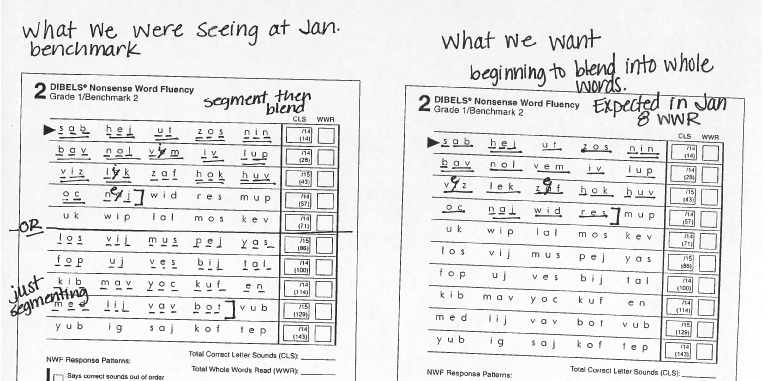
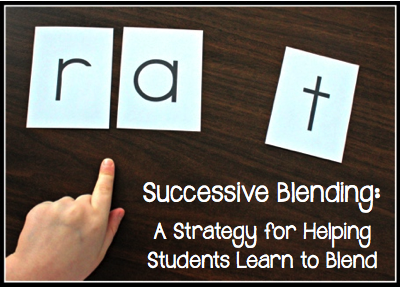
Our seven school districts changed from using the DIBELS 6th Edition to the DIBELS Next this school year.  Following each benchmark assessment we were just a little bit nervous (actually, really nervous) as to what our data would look like.  Would any changes we see be a result of the change in the assessment or as a result of a change in instruction?  When comparing our data using the DIBELS Next to our past assessment trends, one of the most striking differences came at the winter benchmark assessment for first grade.  Although we maintained the percentage of students performing at benchmark, we now had many more falling within the intensive range.  Yikes!  After analyzing all the data, our school teams felt that the new requirement

[Read More...]

Follow Us

Popular Posts